More Than a Hobby: Bringing Beautyberry and Phlox to the Sanctuary

In Episode 18 (More Than a Hobby) of my YouTube series, we got our hands in the dirt to welcome two quintessential native species to the garden sanctuary: the American Beautyberry and Woodland Phlox. Now, I’ve put together this in-depth guide on their ideal planting conditions. From the purple clusters of the beautyberry to the delicate spring carpets of the phlox, here is everything native gardeners need to know to support local biodiversity with these low-maintenance plants.

Why Choose Native Plants Like American Beautyberry and Woodland Phlox?
Native plants are adapted to local climates and soils, making them easier to grow and maintain. The American Beautyberry (Callicarpa americana) and Woodland Phlox (Phlox divaricata) are excellent choices for gardeners who want to create a natural, sustainable landscape. Both plants offer unique beauty and ecological benefits:
American Beautyberry produces striking clusters of purple berries in late summer and fall, attracting birds.
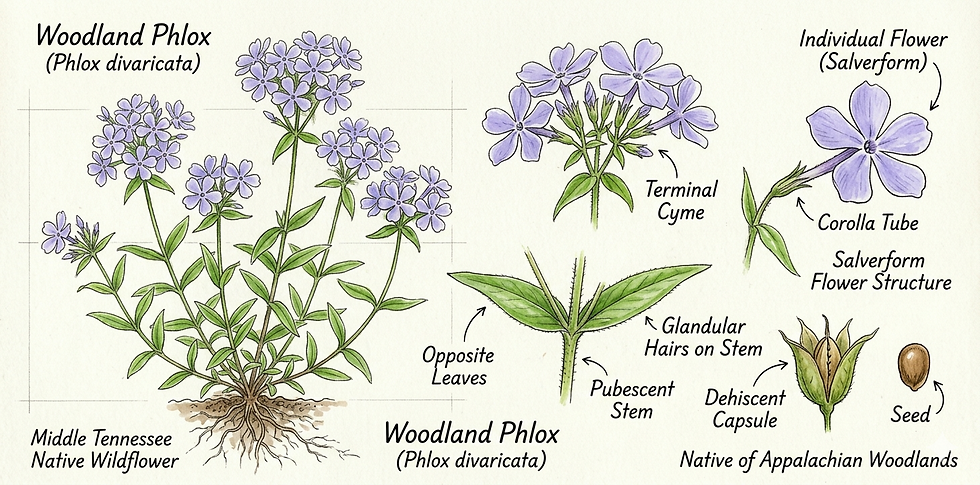
Woodland Phlox blooms in early spring with delicate blue to lavender flowers, drawing butterflies and hummingbirds.
By planting these natives, you support pollinators and wildlife while enjoying low-maintenance, resilient plants.
Planting the American Beautyberry
The American Beautyberry thrives in warm climates and is native to our area. Here’s what I learned about planting it successfully:
Best Growing Conditions
Sunlight: It grows well in full sun to partial shade. For the best berry production, aim for at least 4-6 hours of direct sunlight daily.
Soil: Prefers well-drained, slightly acidic to neutral soil. It tolerates clay and sandy soils but performs best in rich, organic matter.
Water: Moderate watering is needed, especially during the first year to establish roots. Once established, it tolerates some drought.
How to Plant
Choose the right spot: Pick a location with enough space for the shrub to grow 3-6 feet tall and wide.
Prepare the soil: Loosen the soil and mix in compost to improve fertility and drainage.
Planting depth: Dig a hole twice as wide and as deep as the root ball. Place the plant so the top of the root ball is level with the soil surface.
Water thoroughly: After planting, water deeply to settle the soil around the roots.
Mulch: Apply a 2-3 inch layer of mulch to retain moisture and suppress weeds.
Maintenance Tips
Prune lightly in late winter to shape the shrub and encourage new growth.
Watch for pests like spider mites, but generally, the beautyberry is pest-resistant.
Expect berries to appear in the second or third year after planting.
Planting the Woodland Phlox
Woodland Phlox is a charming groundcover native to our area. It’s perfect for shaded or partially shaded garden areas.
Best Growing Conditions
Sunlight: Prefers partial to full shade, making it ideal for woodland gardens or shaded borders.
Soil: Likes moist, well-drained soil rich in organic matter. Avoid dry or compacted soils.
Water: Keep soil consistently moist, especially during dry spells.
How to Plant
Select a shaded spot: Woodland Phlox thrives under trees or shrubs where it receives dappled sunlight.
Prepare the soil: Enrich the planting area with leaf mold or compost to mimic its natural forest floor habitat.
Plant spacing: Space plants about 12 inches apart to allow room for spreading.
Planting depth: Set the plants at the same depth they were growing in their pots.
Water well: Water immediately after planting and keep soil moist.
Maintenance Tips
Remove spent flowers to encourage a longer blooming period.
Divide clumps every 3-4 years to prevent overcrowding and maintain vigor.
Woodland Phlox is generally disease-resistant but watch for powdery mildew in humid conditions.
Combining These Plants in Your Native Garden
Both the American Beautyberry and Woodland Phlox complement each other well in a native garden setting. Here are some tips for combining them:
Plant American Beautyberry as a mid-sized shrub backdrop.
Use Woodland Phlox as a groundcover in shaded areas beneath or near the beautyberry.
Add other native plants like ferns or wild ginger to create layers and diversity.
Provide natural mulch like leaf litter to support soil health and moisture retention.
This combination creates a garden that changes with the seasons: spring blooms from the phlox and vibrant fall berries from the beautyberry.

Final Thoughts on Planting Native Beauty
Planting the American Beautyberry and Woodland Phlox has been a rewarding experience. These plants bring color, texture, and wildlife benefits to any native garden. By choosing the right conditions and following simple planting steps, native gardeners can enjoy thriving plants that require less water and care than many non-native species.
If you want to support local ecosystems and create a garden full of natural charm, consider adding these two natives to your landscape. Start with one or both, and watch your garden come alive with native beauty and life.
I'm all green thumbs so this Image was generated with Google AI.
You can now make a small donation to support the production of these blogs and videos, as well as to support the creation and maintenance of shortmeadow sanctuary. All donations make such a big difference! https://buymeacoffee.com/shortmeadow37206.
Comments